Cats that dislike bathing or brushing benefit from gentle, stress-free grooming methods. Introducing tools gradually and choosing soft brushes or grooming gloves helps reduce anxiety. Keeping sessions brief, calm, and rewarding with treats encourages acceptance cat grooming. Alternatives like waterless shampoos and grooming wipes offer cleanliness without water. Creating a quiet, secure space and respecting the cat’s pace minimizes resistance. Using these careful approaches can make grooming easier, and further steps can enhance the experience for both cat and owner.

How to Introduce Grooming Without Stress for Your Cat
When introducing grooming to a cat, gradual exposure is essential to minimize stress. Start by allowing the cat to explore grooming tools without immediate use, fostering familiarity without pressure.
Sessions should be brief and calm, respecting the cat’s pace and body language https://starlux.petuniverse.com/cat-grooming/. Positive reinforcement, such as gentle praise or treats, encourages acceptance and builds trust. Avoid sudden movements or forcing the process, which can cause resistance.
Establishing a consistent routine helps the cat anticipate grooming as a normal part of life, reducing anxiety. Creating a quiet, safe environment further supports the cat’s comfort.
This measured approach promotes cooperation and preserves the cat’s sense of freedom, making grooming a manageable, low-stress experience for both cat and owner.
Pick the Best Grooming Tools for Sensitive or Anxious Cats
Which grooming tools best suit sensitive or anxious cats depends largely on their individual temperament and coat type. Choosing gentle, effective tools helps make grooming a less stressful experience, respecting the cat’s comfort and freedom. Soft bristles and ergonomic designs often work well for nervous felines. Tools that minimize noise and pressure can reduce anxiety.
- Slicker brushes with fine, flexible wires for delicate detangling
- Rubber grooming gloves that mimic petting and reduce fear
- Soft bristle brushes for short-haired or sensitive skin
- Quiet, battery-operated grooming devices with gentle vibration
- Comb attachments with rounded tips to avoid scratching
Selecting the right tools encourages cooperative grooming while honoring the cat’s personal boundaries and need for calm.
How to Brush Cats That Squirm or Resist Grooming
Managing cats that squirm or resist grooming requires patience and strategic techniques to guarantee both the cat’s comfort and the groomer’s safety.
Gradual desensitization is effective—introducing brushing in short, gentle sessions helps the cat acclimate without feeling trapped.
Using soft, quiet brushes minimizes sensory overload.
Positioning the cat in a secure but relaxed spot, such as on a non-slip surface, reduces escape attempts.
Allowing the cat to move freely between sessions maintains its sense of control.
Offering treats or praise reinforces positive associations with grooming.
If resistance persists, focusing on smaller, manageable areas prevents overwhelming the cat.
This approach respects the cat’s autonomy while facilitating necessary care, supporting a grooming routine that honors both freedom and well-being.
Easy Grooming Alternatives to Bathing Your Cat
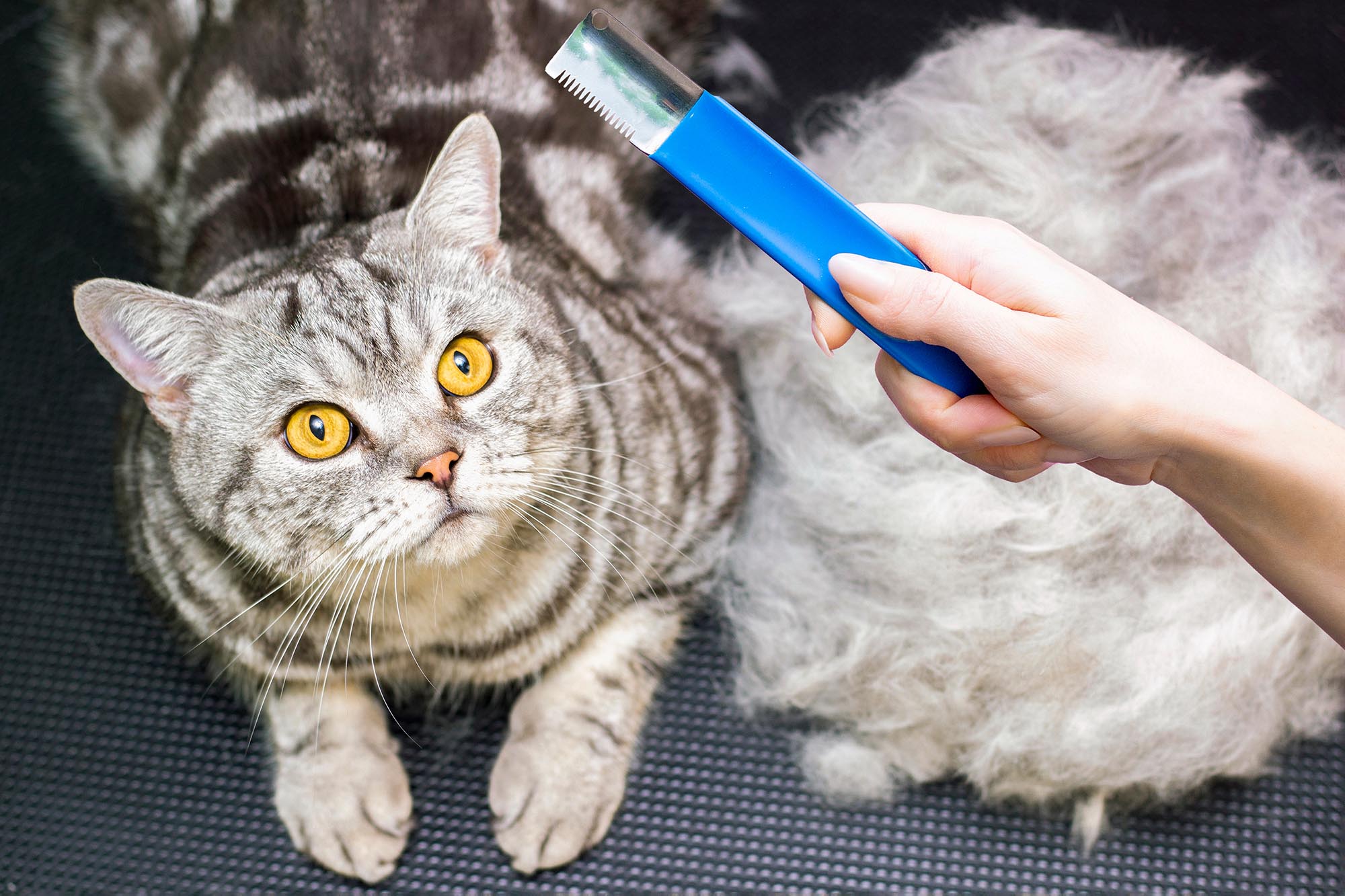
For cats that resist traditional grooming methods, alternatives to bathing can provide effective cleanliness without stress. These options support feline comfort while maintaining coat health and odor control. Gentle methods allow cats to feel free and secure during care routines.
- Use waterless cat shampoos or wipes to clean fur without water.
- Employ a fine-toothed comb to remove loose hair and dirt.
- Apply grooming gloves to gently massage and collect shedding fur.
- Regularly trim nails to prevent scratching and maintain hygiene.
- Keep the environment clean by frequently changing bedding and vacuuming areas.
These alternatives minimize distress and promote a positive grooming experience, respecting the cat’s natural independence.
How to Reward and Calm Your Cat During Grooming
During grooming sessions, providing rewards and maintaining a calm atmosphere can noticeably enhance a cat’s cooperation and comfort.
Offering small, favorite treats immediately after brushing or gentle stroking creates positive associations with grooming. Soft, reassuring tones and slow movements help reduce stress, allowing the cat to feel safe and unpressured.
Choosing a quiet, familiar space free from distractions supports relaxation. Frequent short breaks prevent overwhelm and respect the cat’s autonomy.
Using a calm approach encourages voluntary participation rather than restraint, fostering trust. Over time, these techniques can transform grooming into a stress-free routine that honors the cat’s natural independence while ensuring their hygiene and well-being.
Conclusion
Effective grooming for cats that dislike bathing or brushing requires patience and understanding. Introducing grooming gradually, using gentle tools designed for sensitive cats, and employing calm techniques can reduce stress. Alternatives to traditional bathing, such as wipes or dry shampoos, help maintain cleanliness without distress. Rewarding and soothing the cat throughout the process fosters positive associations. With consistent care and empathy, grooming becomes a more manageable and less stressful experience for both cats and their owners.
…